
How to Choose the Right AED for Your Facility: Size, Features & Budget
Sudden cardiac arrest (SCA) is a leading cause of death in the United States, but timely intervention with an Automated External Defibrillator (AED) can significantly increase survival rates. For businesses, schools, gyms, and public institutions in Omaha, NE and across Nebraska, having the right AED on site isn’t just a safety measure. It can be a life-saving investment. But with various brands, specifications, and accessories on the market, choosing the best AED device for office use or public facilities can feel overwhelming.
This guide is designed to help you navigate the process, highlighting essential considerations around AED size, features, and budget. Whether you’re outfitting a single location or multiple sites, understanding your needs and comparing your options will ensure your investment delivers maximum value and readiness in a crisis.
AED Types and Sizes: What Fits Your Space?
The physical size of an AED might seem like a minor detail, but it plays a significant role in how easily and effectively it can be deployed in an emergency. Smaller, more portable AEDs are ideal for mobile responders, transportation vehicles, and compact office environments. Larger units, while typically just a few inches wider, may offer enhanced visual instructions or additional features that are more suited to public or high-traffic areas.
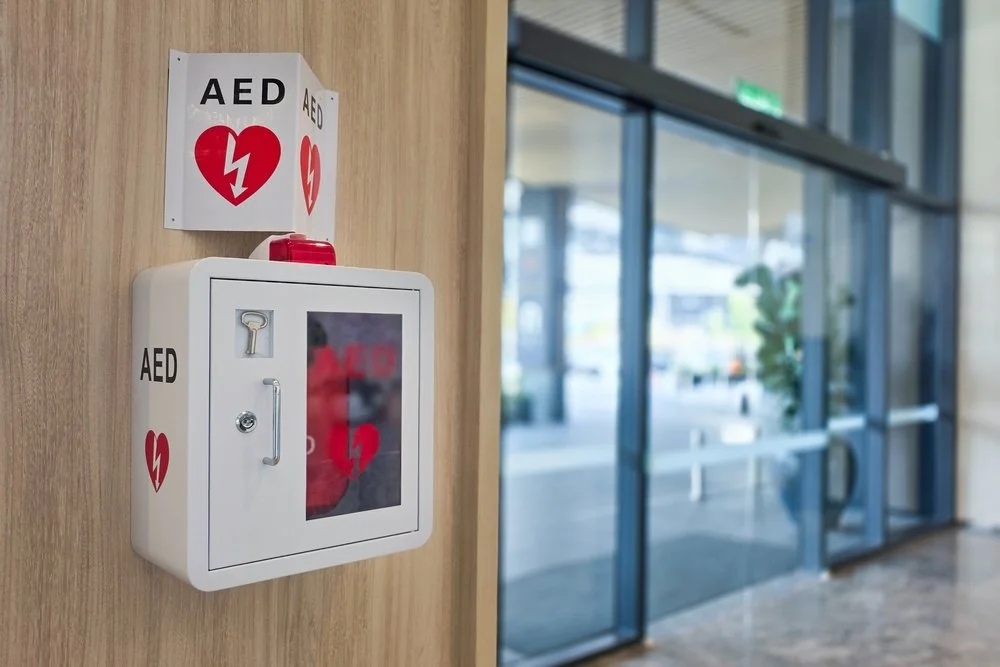
When considering the right size, think about who will be using the device. Is it intended for trained personnel in a healthcare setting, or laypersons in an office or school? Will the AED remain stationary in a cabinet or need to be moved frequently with a carry case? In Omaha, NE and other areas where community engagement is strong, public spaces like libraries or rec centers often opt for wall-mounted units with highly visible signage to encourage quick access.
Smaller facilities might prefer a compact unit that fits neatly in a discreet wall cabinet, while larger campuses such as universities or industrial sites should consider strategically placing multiple AEDs across buildings to minimize response time.
Key AED Features That Improve Performance in Emergencies
Once you’ve narrowed down the appropriate size, the next step is to consider the features that matter most. While all AEDs are designed to deliver life-saving shocks to patients experiencing cardiac arrest, some models provide enhanced usability, data tracking, and emergency preparedness tools.
Voice prompts are standard in most devices, guiding users step-by-step through the defibrillation process. However, some units go a step further by offering real-time CPR coaching, visual diagrams, and metronomes to ensure compressions are delivered at the correct depth and speed.
Another critical feature to evaluate is battery life and self-testing capabilities. Devices like the Philips HeartStart or Zoll AED Plus, popular options in the Omaha region, are known for their long battery lives and regular self-diagnostic checks that help ensure the unit is always rescue-ready.
Connectivity is also an emerging feature in modern AEDs. Some models can wirelessly report maintenance status or download event data, a significant advantage for facility managers overseeing multiple units across Nebraska. Whether you choose Philips or Zoll, or are looking to compare AED brands more broadly, prioritize features that align with your team’s experience level and the anticipated emergency scenarios.
Comparing Popular AED Brands: Philips, Zoll, and Others
When it comes time to compare AED brands, two names frequently surface in Omaha: Philips and Zoll. Both companies have earned reputations for producing reliable, user-friendly devices, but each brings unique strengths to the table.
Philips AEDs, such as the HeartStart OnSite, are known for their intuitive interfaces, quick shock delivery, and compact size. These models are especially well-suited for small offices and schools that want a trusted device with minimal training requirements. The OnSite model, in particular, is designed for non-medical personnel and includes simple audio instructions and visual icons.
Zoll AEDs, including the AED Plus and AED 3, are recognized for their robust CPR feedback systems. These units provide real-time coaching on compression rate and depth, which can significantly improve resuscitation efforts. Zoll’s bright green casing also makes the device easier to spot in an emergency, which is an important detail in larger or high-traffic facilities.
Other brands to consider include Defibtech, Physio-Control (now part of Stryker), and Cardiac Science. Each offers its own suite of models with varying levels of customization, software integration, and cost. When comparing AED brands, always factor in replacement part availability, warranty length, and the presence of local support or training resources in the Omaha area.
How Many AEDs Does My Facility Need? Planning for Coverage in Nebraska
One of the most common questions among facility managers is: how many AEDs does my facility need? The answer depends on several variables, including facility size, layout, and foot traffic. In Nebraska, where weather and building accessibility can vary greatly by season, placement strategy is just as important as quantity.
A good rule of thumb is that an AED should be accessible within 3 minutes of any point in the facility. This means both the time it takes to retrieve the device and return to the victim. For single-story buildings under 10,000 square feet, one AED near a central location may suffice. Larger buildings, those with multiple wings or floors, or sites with outdoor areas such as sports complexes should install multiple devices to meet this three-minute standard.
Facilities that serve vulnerable populations such as senior living centers, schools, or fitness centers should also factor in increased risk and ensure AED access is immediate. In rural or semi-rural parts of Nebraska where emergency services may take longer to arrive, AEDs are even more critical and may warrant redundancy.
Additionally, ensure that your emergency plan includes regular staff training and drills. Even the best AED device for office or public use won’t be effective if no one knows how to operate it during an emergency.
Budget Considerations and AED Accessories for Full Readiness
While the upfront cost of an AED unit can range from $1,200 to over $2,500 depending on the brand and features, total ownership cost also includes essential AED accessories and periodic replacements. Accessories such as wall cabinets, carry cases, extra electrode pads, and signage are not optional. They are part of a complete emergency preparedness solution.
In Omaha and other municipalities, local codes or grant programs may even require specific AED cabinet types, such as those with audible alarms or temperature control for outdoor installations. A carry case is especially useful for facilities that want to keep the device mobile or move it between areas.
Budgeting for long-term maintenance is also essential. Most AED batteries and pads need to be replaced every 2 to 5 years, and costs can vary by brand. Some facilities in Nebraska choose to enroll in AED management programs that provide replacement reminders, training support, and compliance tracking.
When selecting an AED for your facility, balance your budget across the total life of the device, including accessories and upkeep. Choosing a slightly higher-end model with longer battery life or better user feedback might ultimately save money by reducing training time or preventing a failed rescue due to expired components.
Conclusion
Choosing the right AED for your facility is more than a checklist item. It’s a commitment to safety and preparedness. Whether you're evaluating the best AED device for office environments in Omaha, NE, or planning for widespread coverage across a large Nebraska campus, your choice should be guided by size, features, and long-term cost. By comparing AED brands like Philips and Zoll, assessing how many AEDs your facility truly needs, and budgeting for vital AED accessories like a carry case or cabinet, you ensure that you're not just compliant but genuinely equipped to save lives.
AEDs are an investment in your people and your community. Make that investment with care, knowledge, and a clear plan, and you’ll be prepared when every second counts.
Will the Next Life We Save Be Yours?
At LifeGuard MD, Inc., we’re passionate about helping you create a safer environment where lives can be protected and saved. Whether you’re ready to equip your facility with high-quality AEDs or schedule professional CPR and AED training for your team, we’re here to guide you every step of the way. Reach out to us today to learn how we can help you strengthen your emergency preparedness and gain the confidence to respond when it matters most. Your safety is our mission; let’s make every second count together!