
Why Regular AED Maintenance Matters: Keeping Your Lifesaving Equipment Ready
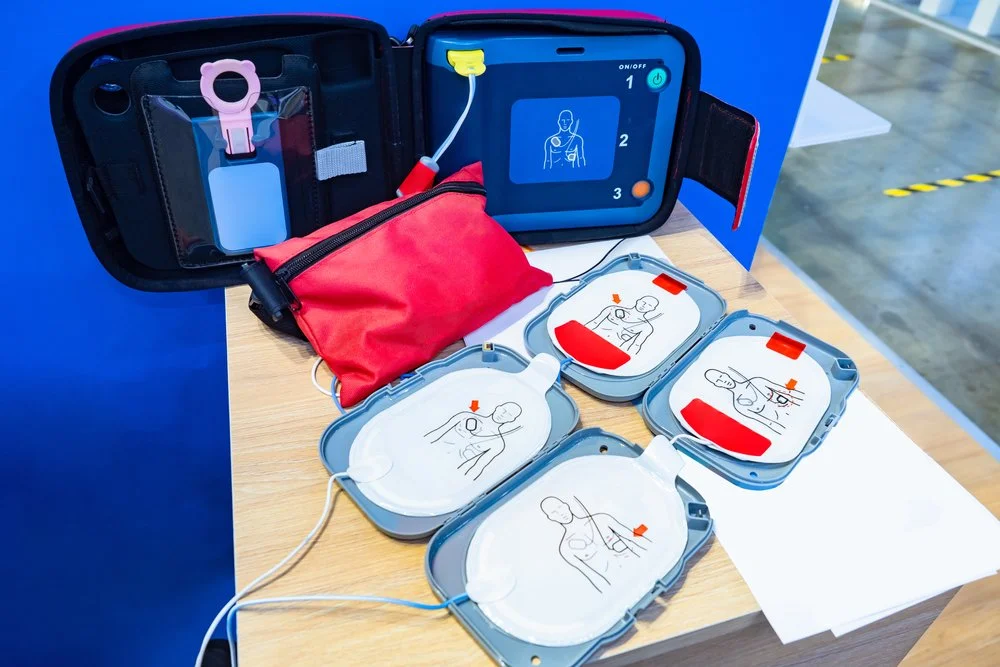
Automated External Defibrillators (AEDs) are among the most vital tools in emergency response, providing an immediate solution to sudden cardiac arrest (SCA), which remains one of the leading causes of death in the United States. While having AEDs installed in workplaces, schools, gyms, and public areas is an essential step toward preparedness, it is not enough to simply purchase and mount these devices on the wall. Ensuring these units are always ready for use is where the true value lies. This is where a consistent AED maintenance program becomes indispensable.
In communities like Omaha, NE and across the Midwest, the difference between a functioning AED and a neglected one could be a matter of life or death. The importance of regular AED maintenance extends beyond checking a box for compliance; it’s about guaranteeing that your life-saving equipment performs flawlessly when every second counts.
The Critical Role of AED Maintenance
AEDs are sophisticated devices that guide even untrained bystanders through a lifesaving process with voice and visual prompts. However, like all electronic equipment, AEDs rely on functioning internal systems, fresh batteries, and adhesive electrode pads that must be replaced periodically. Without an active AED maintenance program, there's a real risk that these essential components may be expired or malfunctioning when they’re needed most.
Tracking AED pads and batteries service in Nebraska has become a growing concern for safety-conscious organizations. Many businesses, schools, and community facilities are now taking proactive steps to implement consistent maintenance schedules. This includes monitoring expiration dates, ensuring unit readiness indicators show the device is operational, and replacing damaged or outdated parts. It's not uncommon for AEDs to be forgotten until an emergency occurs, and that's a gamble no responsible organization should take.
Legal and Liability Considerations
In Nebraska and other states, Good Samaritan laws offer legal protection to those who use AEDs in an attempt to save a life. However, these protections are contingent upon the AED being in good working condition and properly maintained. Neglecting to maintain AEDs can open up liability risks for businesses and organizations. If a defibrillator fails to function during an emergency due to lack of upkeep, it could result in legal consequences and significant reputational damage.
That's why working with a commercial AED inspection service in Omaha is not just a good idea; it’s often a necessity. These professionals ensure compliance with local and national regulations, helping your organization stay up-to-date with manufacturer guidelines and safety standards. An experienced life saving equipment maintenance company in the Midwest can assess your specific needs, set up a recurring inspection schedule, and provide documentation for audits or emergency medical response reviews.
The Cost of Neglected Equipment
Ignoring AED maintenance doesn’t save money in the long run. In fact, it can lead to higher expenses due to emergency equipment failure, replacement costs, fines for non-compliance, and even litigation. More importantly, it jeopardizes human lives. AEDs are typically used in time-sensitive situations where even a minute's delay can drastically reduce survival chances. The American Heart Association notes that every minute without defibrillation during SCA reduces survival by approximately 7 to 10 percent.
Given this, ensuring that your AED is operational every single day is not optional. In Omaha, NE, organizations are recognizing that investment in an AED maintenance program is an investment in community safety and operational integrity. By keeping pads and batteries current and ensuring the internal diagnostics are routinely checked, these programs reduce risk and enhance emergency preparedness.
Building a Proactive AED Strategy
A strong AED maintenance program includes regular visual inspections, tracking AED pads and batteries service, timely replacement of expired components, and documentation of every inspection and service event. It also means assigning internal accountability or partnering with an external service provider who specializes in these critical devices.
One of the common challenges faced by schools and businesses in the Midwest is the assumption that AEDs are “plug-and-play” devices that require little attention after installation. This misconception has led to numerous cases where AEDs failed during emergencies due to expired batteries or dried-out electrode pads.
Fortunately, many companies are beginning to see the value of outsourcing AED upkeep to a trusted life saving equipment maintenance company in the Midwest. These experts bring structured processes, compliance knowledge, and peace of mind. Services may include barcode or QR code tracking systems, automated email reminders, and on-site inspections to ensure that every unit across your location is functioning optimally.
Partnering with a Local AED Maintenance Provider
There are significant advantages to working with a commercial AED inspection service in Omaha. First and foremost, local providers understand the specific regulatory environment of Nebraska and surrounding states. They can help tailor your maintenance program based on local school district requirements, workplace safety regulations, or healthcare compliance guidelines.
Moreover, a local presence means faster response times when issues are identified. Rather than waiting for shipping delays or dealing with customer service hotlines, organizations in Omaha can benefit from real-time support, in-person training sessions, and hands-on maintenance. This personalized attention not only ensures that your AEDs remain operational but also builds a culture of accountability around emergency preparedness.
AED maintenance providers in Nebraska often offer subscription-based services that include regular check-ins, replacement reminders, and emergency technical support. These programs can be customized to fit organizations of any size, from a single office to a statewide school district. The end goal is always the same: make sure the AED works the moment it's needed, without hesitation or delay.
Conclusion
AEDs are powerful tools capable of saving lives in moments of crisis. But like any equipment, their reliability depends on consistent, thorough upkeep. For organizations in Omaha, NE, and throughout the Midwest, participating in an AED maintenance program is more than a regulatory requirement; it’s a moral and operational imperative.
Neglecting maintenance can result in legal consequences, financial loss, and worst of all, the failure to save a life when it could have been prevented. Tracking AED pads and batteries service, working with a reliable commercial AED inspection service in Omaha, and establishing partnerships with a life saving equipment maintenance company in the Midwest are all critical steps toward comprehensive emergency readiness.
Investing in AED maintenance is an investment in human life. Every organization that houses one of these devices holds the power to make a life-saving difference. That power, however, is only as strong as the maintenance program that supports it.
Let’s keep our communities safer, one AED at a time.
Will the Next Life We Save Be Yours?
At LifeGuard MD, Inc., we’re passionate about helping you create a safer environment where lives can be protected and saved. Whether you’re ready to equip your facility with high-quality AEDs or schedule professional CPR and AED training for your team, we’re here to guide you every step of the way. Reach out to us today to learn how we can help you strengthen your emergency preparedness and gain the confidence to respond when it matters most. Your safety is our mission; let’s make every second count together!