
Making CPR & AED Training Engaging: Tips for Schools, Churches & Businesses
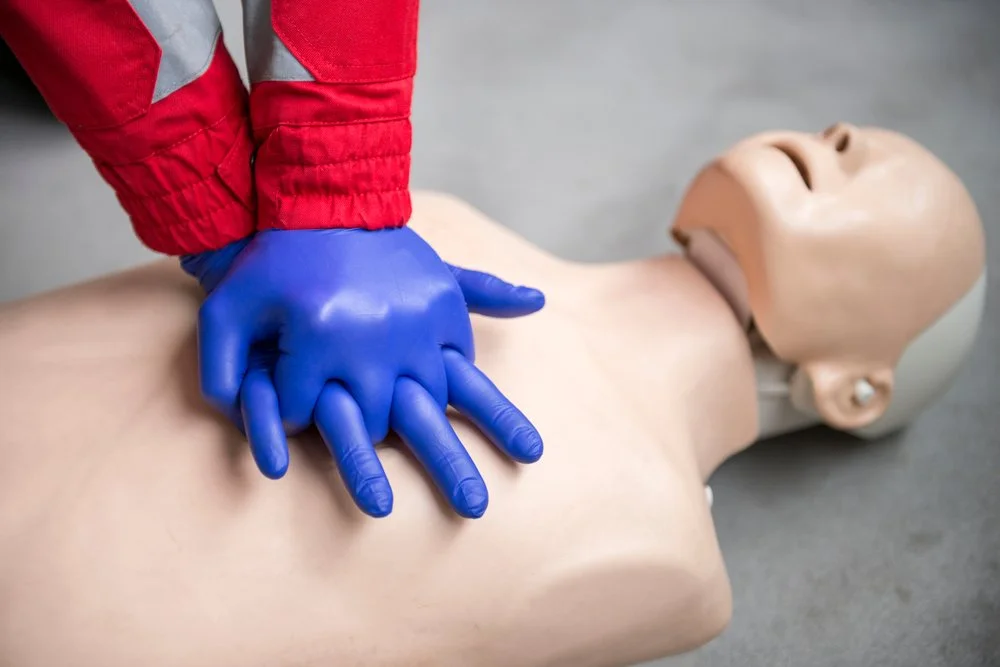
When it comes to preparing schools, churches, and businesses for emergencies, there's no substitute for hands-on, interactive learning. CPR and AED training can truly make the difference between life and death, yet too often, it’s approached as a one-time checkbox or a dry lecture. Institutions across Omaha, NE, and the broader Midwest are beginning to realize that if they want their people to retain life-saving skills, training needs to be more than informative. It needs to be engaging, memorable, and practical.
Whether you’re running a school CPR certification program in Nebraska, coordinating corporate AED training for staff in Omaha, or organizing health preparedness workshops for a congregation, the approach you take matters. Let’s explore how to elevate your onsite CPR AED training so that it resonates with participants and makes a lasting impact.
Creating Immersive Experiences for Schools
Schools are in a unique position when it comes to health and safety. Educators, administrators, and even older students can benefit immensely from CPR and AED instruction. But simply delivering facts isn’t enough. To make a school CPR certification program in Nebraska truly effective, it should be woven into a narrative students and staff can relate to.
Interactive scenarios are key. Simulated emergency situations that mimic real classroom or playground incidents can help reinforce the importance of quick response times. When students practice chest compressions on manikins in a controlled but realistic environment, they gain confidence and muscle memory. This can be enhanced further by using AED trainers that offer immediate feedback.
Additionally, integrating digital tools into the process can help younger audiences stay engaged. From gamified assessments to augmented reality applications that simulate emergency environments, these tools bring a new layer of immersion to CPR education.
Finally, involving teachers and school nurses in the planning phase helps ensure the training aligns with school schedules and student learning styles. They can advocate for refreshers throughout the academic year, so skills are reinforced rather than forgotten.
Tailoring Training for Church Communities
Faith communities often function as emotional and social anchors, bringing people together in meaningful ways. In churches, especially those with large congregations or youth programs, emergency readiness should be a natural extension of the community’s care for its members. However, church leaders often struggle with balancing spiritual teaching and practical training.
The solution lies in framing onsite CPR AED training within the values of stewardship and service. When congregants see that these skills can help them protect and care for others, they become more open to participating. Training sessions can be scheduled alongside volunteer meetings or community outreach events, making it easier to gather participants without overwhelming busy church calendars.
Churches also benefit from choosing a first aid AED class provider in the Midwest who understands how to respect the space, culture, and tone of faith-based environments. Instructors should be personable, compassionate, and able to adapt scenarios to the specific layout of the church, from the sanctuary to the fellowship hall.
Creating small-group learning pods during sessions can help participants build trust and support one another during practice. The more collaborative the environment, the more likely congregants are to embrace the training with open hearts and minds.
Enhancing Corporate Training With Real-World Relevance
In corporate settings, time is a premium and engagement can be a challenge. Employees are often pulled in several directions, and health training may be viewed as just another compliance requirement. That’s why designing corporate AED training for staff in Omaha requires a focus on relevance, personalization, and efficiency.
One effective strategy is to integrate training into existing team-building or leadership development programs. By highlighting how CPR and AED knowledge contributes to workplace safety and team cohesion, organizations can frame the training as a value-added experience rather than a burden.
Real-world case studies and company-specific risk assessments should be incorporated to help employees understand how emergencies might unfold in their actual workspaces. For example, in a manufacturing plant, the risks and required responses differ from those in an office building. Customizing scenarios helps participants visualize the utility of their training.
Another way to make training stick is by offering certifications that contribute to professional development. When staff members know that their efforts contribute to career growth, they’re more motivated to participate actively.
Furthermore, leaders should attend sessions alongside their teams. When management is present and involved, it signals to employees that the company genuinely values health and safety, not just on paper but in practice.
Selecting the Right Training Partner in the Midwest
Not all training providers are created equal. Choosing a reputable first aid AED class provider in the Midwest can make or break your program’s success. Look for organizations with a proven track record of working with schools, churches, and businesses alike.
The best providers bring not just knowledge but energy and empathy. Their instructors know how to read a room and adjust their teaching style based on the audience’s comfort level and background. They use high-quality, sanitized equipment, including responsive CPR manikins and AED trainers that mimic real-life scenarios as closely as possible.
Another key factor is the ability to offer onsite CPR AED training across Omaha, NE, and surrounding areas. Providers who come to your location minimize logistical barriers and can tailor their instruction to the layout and flow of your physical space. This is especially useful for churches and schools, where understanding entrances, exits, and foot traffic patterns can influence emergency response plans.
Ensure the provider offers flexible scheduling options, renewal courses, and post-training support such as refresher videos or checklists. Engagement doesn’t end when the training is over. It’s the follow-up that helps reinforce retention.
Keeping the Momentum Alive After the Session
One of the most common issues with CPR and AED certification is the decline in skill retention over time. Without regular refreshers, even the most engaged participants may forget key steps or lose confidence in their abilities.
That’s why post-training engagement is critical. In schools, hosting a CPR awareness week or setting up student ambassador programs can keep the conversation alive. For churches, incorporating health preparedness tips into newsletters or sermons helps embed safety into the community fabric. In businesses, simple additions like emergency contact placards, AED signage refreshers, or monthly quizzes can go a long way.
Another helpful strategy is to offer periodic practice drills. These can be informal and fun, like a “CPR lunch-and-learn” or a challenge game between teams. By normalizing the review of life-saving skills, institutions keep them top of mind without making them feel burdensome.
Digital platforms can also provide ongoing microlearning content, such as video reminders or app-based quizzes. Many training providers in Omaha, NE, offer support tools to help clients extend the impact of their initial onsite CPR AED training. Tap into these resources to build a culture of readiness rather than relying solely on annual certifications.
Conclusion
Making CPR and AED training engaging is not just a luxury. It’s a necessity if schools, churches, and businesses across Omaha and the Midwest want their people to act confidently during emergencies. Whether you're implementing a school CPR certification program in Nebraska, planning corporate AED training for staff in Omaha, or coordinating church readiness efforts, the approach must be hands-on, scenario-based, and community-oriented.
Choosing the right first aid AED class provider in the Midwest can set the tone for a program that empowers participants rather than overwhelms them. With creative planning, real-world scenarios, and ongoing reinforcement, institutions can foster a culture where preparedness becomes second nature.
The goal isn’t just certification. It’s readiness. It’s confidence. And most importantly, it’s the ability to save a life when seconds matter.
Will the Next Life We Save Be Yours?
At LifeGuard MD, Inc., we’re passionate about helping you create a safer environment where lives can be protected and saved. Whether you’re ready to equip your facility with high-quality AEDs or schedule professional CPR and AED training for your team, we’re here to guide you every step of the way. Reach out to us today to learn how we can help you strengthen your emergency preparedness and gain the confidence to respond when it matters most. Your safety is our mission; let’s make every second count together!