
AED Compliance Across the U.S.: What Every Organization Needs to Know
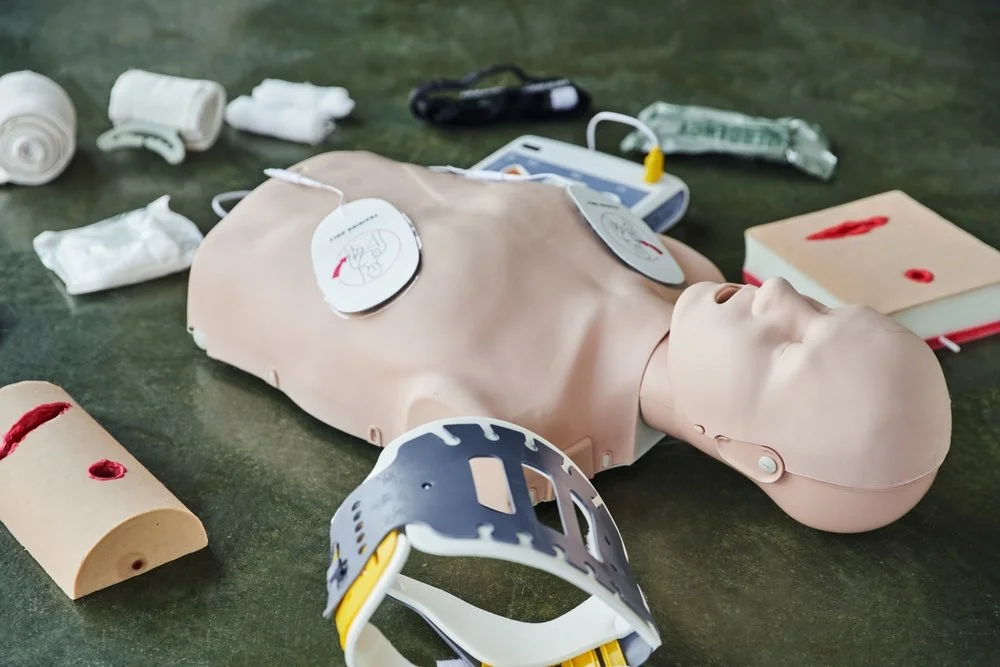
Automated External Defibrillators (AEDs) play a critical role in improving survival rates during sudden cardiac arrest emergencies. However, their effectiveness is not solely dependent on availability. Proper compliance with local laws is vital. Across the United States, AED regulations vary significantly by state, which can create confusion for businesses and organizations trying to implement life-saving equipment in their facilities.
Some states require AEDs to be present in specific types of locations such as schools, gyms, or government buildings. Others have more flexible regulations, merely encouraging the presence of AEDs without mandating them. The requirements for AED maintenance, staff training, and program registration also differ. For example, California mandates that AEDs be inspected every 30 days, while Florida emphasizes the importance of AED placement visibility and staff readiness.
One of the biggest challenges is staying informed about the changing landscape of AED laws. As new legislation is introduced and old regulations are updated, organizations must proactively monitor these shifts. Failure to comply with local AED regulations can result not only in legal consequences but also in potential liabilities during a medical emergency. Having a firm grasp of AED regulations by state is the first step in building a robust and responsible AED deployment strategy.
The AED Compliance Checklist for Businesses
To navigate the complex regulatory environment and ensure public safety, organizations should develop a detailed AED compliance checklist for businesses. This checklist functions as a roadmap, outlining the essential elements required to stay compliant with laws and maintain readiness in emergency scenarios.
First and foremost, businesses should identify any state-specific requirements for AED ownership and use. This includes mandates for registration with local emergency services, such as EMS agencies, and ensuring that the device is approved by the FDA. Training is another critical area. Many states require that at least one employee or a designated responder be certified in CPR and AED usage. Some regulations go a step further, mandating that training be conducted at regular intervals.
Maintenance is another pillar of compliance. AEDs must be routinely checked to ensure they are in working condition. Batteries and electrode pads need to be replaced based on manufacturer guidelines. Records of these maintenance activities should be documented meticulously, as they may be requested during inspections or audits.
Legal coverage also plays a role in compliance. Businesses should understand the Good Samaritan laws applicable in their state, which often protect AED users from liability when they act in good faith. These laws, however, typically only apply if the AED program is properly managed and maintained.
Lastly, visibility and accessibility of AED units cannot be overlooked. Devices should be placed in easily accessible locations, clearly marked, and free from obstructions. Some states even specify that AED locations must be disclosed to building occupants or listed in emergency plans.
Building a Nationwide AED Compliance Program
For organizations operating across multiple states, establishing a unified and efficient nationwide AED compliance program is critical. This is especially relevant for corporations with offices, retail stores, or facilities located in diverse regulatory environments. A piecemeal approach may lead to inconsistencies, overlooked requirements, and potential liabilities.
A strong national program begins with a centralized policy framework that accommodates local adaptations. By standardizing procedures for AED deployment, training, maintenance, and documentation, organizations can ensure consistency while still tailoring operations to comply with each state’s regulations. Legal counsel should be involved in reviewing local laws to ensure the framework is adaptable where needed.
Technology can serve as a powerful ally in managing nationwide AED compliance. Centralized databases can store all AED-related documentation, including training records, device certifications, and maintenance logs. These systems make it easier to generate reports and stay audit-ready at any time. Additionally, a single point of contact or AED program coordinator can oversee implementation and address issues as they arise across the organization.
Partnerships with national AED service providers can further streamline compliance. These vendors often offer comprehensive services including device installation, monitoring, software tracking, and training programs. By leveraging professional expertise, businesses can avoid the risks of regulatory oversight and ensure they meet both state and federal standards.
Integrating an AED Management System in the USA
One of the most effective ways to manage compliance is through the use of an AED management system, USA-wide. These systems consolidate essential functions into a single digital platform, providing clarity, control, and accountability for AED programs.
Modern AED management systems offer real-time tracking of device status, automated reminders for battery and pad replacement, and detailed logs for maintenance activities. They also track training certifications and renewal dates for staff, ensuring that compliance does not lapse due to human error or oversight. In addition, these platforms can help map the locations of AEDs within buildings, ensuring that every device is placed optimally according to emergency response plans.
A key feature of these systems is automated compliance alerts. These notifications can warn administrators about upcoming expiration dates, overdue inspections, or missing training sessions. As a result, organizations are empowered to act proactively rather than reactively.
Many AED management systems are also integrated with EMS registration databases, allowing for easier reporting and regulatory fulfillment. This is particularly important in jurisdictions where AEDs must be registered with emergency response teams to ensure swift action during an incident.
The scalability of AED management systems makes them ideal for businesses with multiple sites. Whether a company operates ten locations or ten thousand, a centralized system allows leadership to maintain visibility and oversight. This minimizes the risks of non-compliance and helps ensure that each site is prepared for emergencies.
Meeting Legal and Ethical Responsibilities
Ensuring AED compliance is not just a legal responsibility but an ethical obligation. Organizations that take the time to meet AED regulations by state and invest in AED management demonstrate a clear commitment to the safety of their employees, clients, and visitors. In emergency situations where every second counts, being prepared can mean the difference between life and death.
Beyond compliance, organizations must foster a culture of health and safety. Employees should feel confident using an AED and know exactly what to do if someone collapses due to cardiac arrest. This requires ongoing training, drills, and clear communication. In some cases, companies may wish to offer voluntary AED education to all employees, not just designated responders, to expand the number of people who can act in a crisis.
Liability is another factor that reinforces the importance of compliance. Inconsistent or poorly managed AED programs can expose organizations to legal risks, particularly if a device fails during an emergency or if no one on-site is trained to use it. Conversely, a well-managed AED program that meets state requirements provides a layer of legal protection and demonstrates due diligence in the event of a lawsuit or investigation.
Compliance also plays a role in public relations. Customers and stakeholders take note of how businesses prioritize safety. Visible AEDs, trained staff, and transparent safety policies can enhance a company's reputation and build trust with the community.
Conclusion
Navigating AED regulations by state may seem complex, but it is a necessary endeavor for any organization aiming to protect its people and fulfill legal responsibilities. A well-structured AED compliance checklist for businesses, supported by a nationwide AED compliance program and a robust AED management system, USA-wide, lays the foundation for effective emergency preparedness.
By taking these proactive steps, organizations not only reduce liability but also increase their capacity to save lives when it matters most. Compliance is not a one-time event. It is an ongoing process that requires vigilance, education, and a commitment to public safety. Embracing that responsibility is not just the right thing to do. It is essential.
Will the Next Life We Save Be Yours?
At LifeGuard MD, Inc., we’re passionate about helping you create a safer environment where lives can be protected and saved. Whether you’re ready to equip your facility with high-quality AEDs or schedule professional CPR and AED training for your team, we’re here to guide you every step of the way. Reach out to us today to learn how we can help you strengthen your emergency preparedness and gain the confidence to respond when it matters most. Your safety is our mission; let’s make every second count together!