
Overcoming the "Panic Gap": Why Hands-On Training Trumps Online Videos
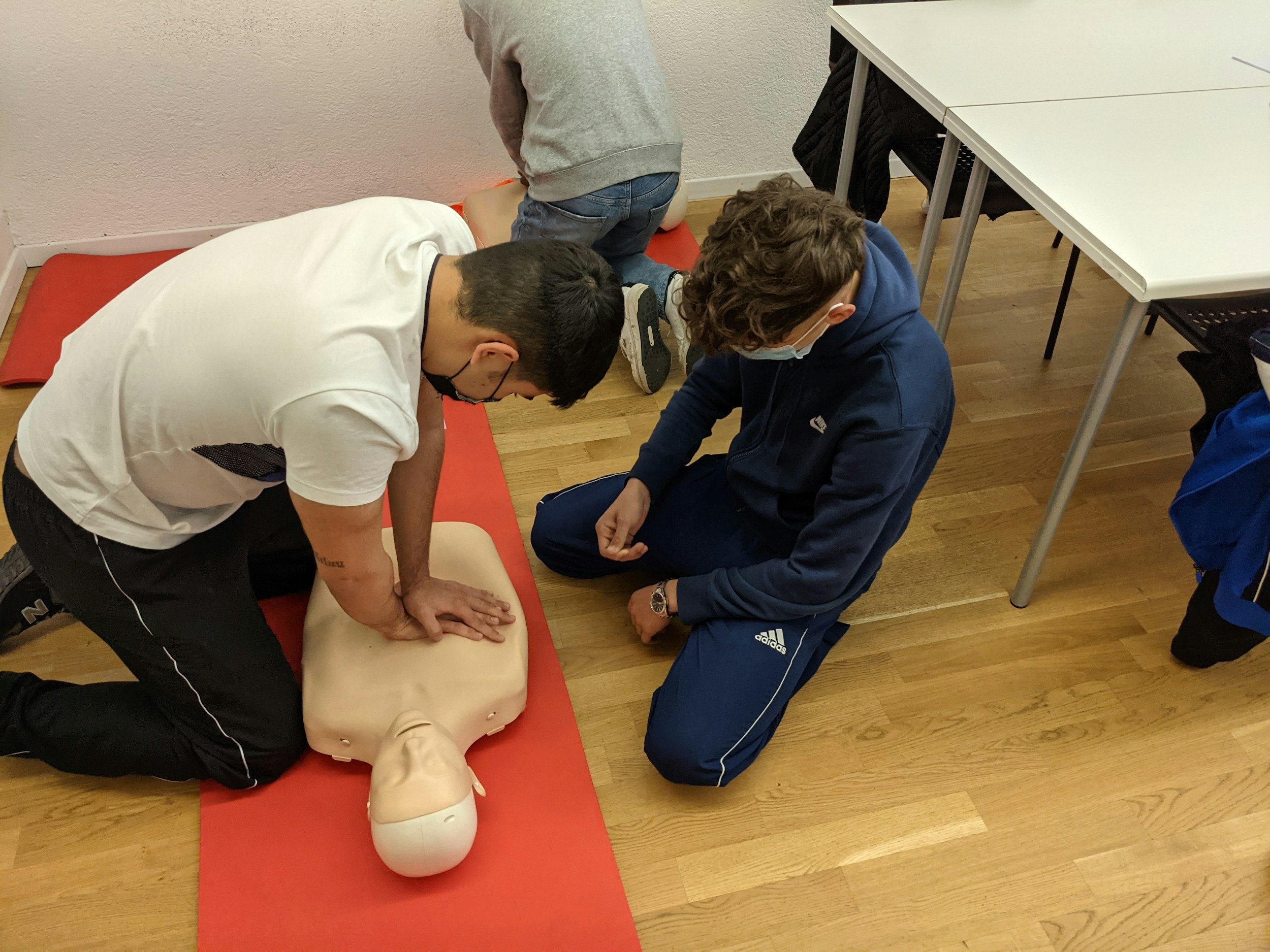
Watching a CPR video can make lifesaving skills seem simple, but real emergencies are rarely as calm or predictable as a screen. Whether you're a first-time parent, a hesitant bystander, or a new employee, the difference between knowing what to do and having the confidence to act can make all the difference.
Quick Answer
Hands-on CPR classes help bridge the "panic gap" by giving participants the opportunity to practice lifesaving techniques in realistic scenarios. Unlike videos, hands-on CPR classes Fayetteville allow students to build muscle memory, receive instructor feedback, and gain the confidence needed to respond when every second counts. Pairing CPR instruction with interactive first aid training creates a stronger foundation that helps build rescuer confidence before a real emergency happens.
What You Should Know
Practicing CPR on training manikins helps reinforce proper hand placement, compression depth, and rhythm.
Interactive first aid training prepares participants to respond to injuries that cannot be fully understood through video demonstrations alone.
First-time parents benefit from practicing infant CPR before bringing a newborn home.
Employees who complete hands-on training are often better prepared to work together during workplace emergencies.
Fayetteville families and businesses can benefit from local training that reflects real community needs.
Why Does the "Panic Gap" Happen?
The panic gap is the space between understanding a skill and confidently performing it under pressure.
Many people have watched CPR demonstrations online or scrolled through first aid videos on social media. While those resources can introduce important concepts, they cannot recreate the stress, urgency, or decision making involved in a real emergency.
When someone suddenly collapses, a child begins choking, or a coworker is seriously injured, people often freeze because they have never physically practiced the skills.
Hands-on practice helps replace hesitation with familiarity.
At LifeGuard MD, Inc., we believe confidence grows through repetition, instructor guidance, and realistic practice. After that first introduction, we focus on helping our students develop skills they can recall when they matter most.
Why Hands-On Practice Creates Better Prepared Responders
Hands-on CPR classes create stronger responders because they combine knowledge with physical experience.
Reading about chest compressions is different from actually performing them. During practice, students learn:
Correct hand placement
Proper compression depth
Compression rate
Rescue breathing techniques when appropriate
AED operation
Team communication during emergencies
An instructor can immediately correct mistakes before they become habits. That kind of personalized feedback simply is not available through online videos.
Interactive First Aid Training Builds Decision Making Skills
Interactive first aid training gives participants opportunities to think through realistic situations instead of memorizing information.
Emergencies rarely happen exactly like they do in a video. Someone may have multiple injuries, other bystanders may be present, or the environment may create additional challenges.
Scenario-based learning encourages students to:
Assess the scene safely
Prioritize injuries
Communicate effectively
Stay calm under pressure
Decide what actions should happen first
These experiences help build rescuer confidence long before a real emergency occurs.
Who Benefits Most from Hands-On CPR Classes?
Almost everyone can benefit from practical CPR education, but several groups often gain the most confidence through in-person instruction.
First-Time Parents
New parents often worry about choking, breathing emergencies, and infant safety. Practicing infant CPR and emergency response techniques provides reassurance that watching videos alone cannot offer.
Hesitant Bystanders
Many adults know they should help during an emergency but fear doing something wrong. Hands-on practice reduces uncertainty and gives people a chance to ask questions in a supportive environment.
New Employees
Many workplaces include CPR or first aid training during onboarding. Employees who practice together often communicate better during emergencies and understand everyone's role if an incident occurs.
Common Myths About Learning CPR Online
Several misconceptions prevent people from seeking practical training.
Myth: Watching enough videos is the same as taking a class.
Videos provide valuable education, but they cannot evaluate your technique or correct mistakes.
Myth: I'll remember what I watched if an emergency happens.
Stress affects memory. Repeated physical practice helps skills become more automatic.
Myth: CPR is too difficult to learn.
Most people can learn effective CPR with proper instruction, guided practice, and constructive feedback.
Warning Signs That You Need Practical Training
You may benefit from hands-on instruction if:
You've only watched CPR videos online.
You have never practiced chest compressions.
You feel nervous about helping during an emergency.
You are expecting a baby.
You supervise children.
Your workplace recommends emergency response training.
It's been several years since your last CPR class.
What to Expect During Hands-On CPR Classes Fayetteville
Many students arrive feeling anxious, but practical instruction is designed to build skills gradually.
A typical class may include:
Instructor demonstrations
Individual practice
Partner exercises
AED familiarization
Interactive first aid training scenarios
Questions and coaching throughout the course
By the end of training, students often leave with greater confidence because they have already practiced the techniques multiple times.
A Common Scenario
Imagine a new parent whose infant begins choking during dinner.
Someone who has only watched online videos may hesitate while trying to remember each step.
Someone who has completed hands-on practice has already experienced realistic simulations, received instructor feedback, and practiced responding under guidance. That previous experience often helps reduce hesitation and improve decision making during stressful moments.
Why Confidence Matters
Technical knowledge is important, but confidence often determines whether someone takes action.
The goal of practical CPR education is not perfection. The goal is preparing ordinary people to recognize emergencies, respond appropriately, and provide care until professional medical responders arrive.
Every opportunity to practice helps build rescuer confidence that carries into real-life situations.
Frequently Asked Questions
Are hands-on CPR classes Fayetteville better than online videos?
Yes. Hands-on classes provide instructor feedback, practical experience, and realistic scenarios that help students develop confidence alongside knowledge.
Is interactive first aid training helpful for beginners?
Absolutely. Beginners often benefit from practicing real-world situations because it improves decision making and reinforces classroom instruction.
Can first-time parents benefit from CPR training?
Yes. Parents frequently choose CPR instruction to prepare for infant and child emergencies before they ever face one at home.
Will I have opportunities to practice?
Most instructor-led courses include multiple opportunities to practice CPR skills using training equipment under professional guidance.
How does hands-on training build rescuer confidence?
Repeated practice, instructor coaching, and realistic emergency scenarios help participants feel more prepared to respond when an actual emergency occurs.
Is CPR training only for healthcare professionals?
No. CPR education is designed for community members, parents, teachers, employees, coaches, caregivers, and anyone who wants to be prepared to help during an emergency.
Build Confidence Before an Emergency Happens
Emergency situations rarely provide time to think through every step. Practical experience helps transform knowledge into action.
If you're ready to move beyond watching videos and start developing real lifesaving skills, our hands-on training programs are designed to help you practice, ask questions, and gain the confidence needed to respond when it matters most.
Ready to Build Rescuer Confidence?
Whether you're preparing for parenthood, starting a new job, or simply want to be ready to help someone in need, our hands-on CPR classes and interactive first aid training provide practical experience that online videos cannot replace.