
AED Maintenance Audits: Self-Inspections vs. Digital Tracking Services
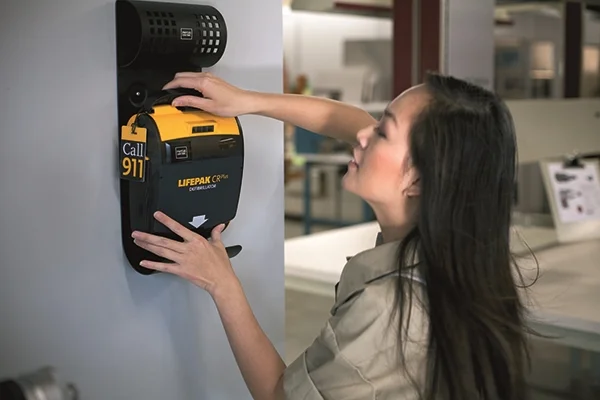
Automated External Defibrillators (AEDs) are only effective when they are ready to perform during a cardiac emergency. For businesses, schools, churches, fitness centers, and public facilities across Omaha, NE, keeping AEDs properly maintained is just as important as having them installed. A missed inspection or expired component can create unnecessary risk when every second counts.
Quick Answer
AED maintenance audits can be completed through manual self-inspections or digital tracking services, but each approach offers different advantages. Self-inspections work well when staff consistently follow inspection schedules and maintain accurate records. Digital tracking services help automate reminders, organize documentation, and reduce the chance of overlooked maintenance tasks, making them especially valuable for organizations responsible for multiple AEDs or several locations.
What Local Readers Should Know
Nebraska businesses and organizations should inspect AEDs regularly according to manufacturer recommendations and maintain clear maintenance records.
Omaha facilities with multiple buildings or campuses often benefit from centralized digital tracking because it simplifies monitoring every device.
Seasonal temperature changes in eastern Nebraska can affect AED storage conditions if devices are kept in unconditioned spaces.
Battery expiration dates, electrode pad expiration dates, and status indicators all require regular attention.
A maintenance audit helps identify small issues before they become emergency readiness problems.
Why This Matters Locally
AED readiness matters throughout Omaha because cardiac emergencies can happen anywhere, including office buildings in Downtown Omaha, schools in Millard, community centers in Elkhorn, manufacturing facilities near Interstate 80, churches throughout Douglas County, and athletic facilities serving families across Sarpy County.
LifeGuard MD, Inc. helps organizations develop practical AED maintenance strategies that support emergency preparedness. After this introduction, we focus on educating organizations about keeping their equipment inspection ready and properly documented.
Local Data or Field Observations
Professional field experience shows that organizations frequently discover preventable issues during maintenance audits rather than during emergencies. Common findings include expired electrode pads, batteries nearing expiration, missing rescue kits, incomplete inspection logs, or devices stored where temperature extremes may affect performance.
Facilities with several AEDs often find that manual recordkeeping becomes more difficult as equipment inventories grow.
Local Impact
AED maintenance directly affects emergency preparedness for local organizations. Schools, office complexes, manufacturing facilities, healthcare offices, community organizations, and fitness centers all depend on equipment that functions immediately during a cardiac emergency.
For larger organizations serving multiple buildings across Omaha and nearby communities like Bellevue, Papillion, and La Vista, missing even one scheduled inspection can leave an important piece of emergency equipment without proper verification.
Warning Signs
An AED maintenance audit may be needed if you notice any of these warning signs:
Inspection logs have gaps or missing signatures.
Staff members are unsure who performs monthly inspections.
Batteries or pads are approaching expiration without replacement plans.
The AED status indicator displays a warning instead of a ready signal.
Emergency response kits are incomplete or missing supplies.
Multiple locations use different inspection procedures.
Documentation is difficult to locate during safety reviews.
When to Call a Professional
Organizations can safely perform routine visual inspections, verify status indicators, and check expiration dates according to manufacturer instructions. Professional assistance becomes valuable when facilities manage multiple AEDs, need standardized documentation, require maintenance audits, or want help creating consistent inspection procedures across several locations.
Professional guidance can also help organizations prepare for internal safety reviews or external compliance requirements.
Common Local Causes
Several factors commonly contribute to missed AED maintenance responsibilities.
1. Multiple Facility Locations
Organizations with offices throughout Omaha and surrounding communities often struggle to coordinate inspections consistently.
2. Staff Turnover
Inspection responsibilities may change without proper handoff, creating gaps in maintenance schedules.
3. Manual Recordkeeping
Paper logs can become misplaced, incomplete, or inconsistent over time.
4. Expiration Tracking
Keeping track of batteries and electrode pads manually becomes increasingly difficult as more AEDs are added.
5. Environmental Conditions
Nebraska's changing seasons can expose devices stored in garages, warehouses, or other non-climate-controlled spaces to temperatures outside manufacturer recommendations.
Prevention and Maintenance
The best AED maintenance program combines routine inspections with organized documentation.
Recommended practices include:
Verify the AED status indicator according to manufacturer guidance.
Check battery and electrode pad expiration dates monthly.
Confirm rescue kits remain complete.
Store AEDs in appropriate environmental conditions.
Maintain accurate inspection records.
Schedule periodic maintenance audits to verify compliance.
Review emergency response procedures with staff regularly.
Organizations using digital tracking platforms often find it easier to receive reminders before maintenance deadlines arrive.
Expected Results
A well-managed AED maintenance program helps organizations improve equipment readiness, simplify documentation, reduce missed inspections, and provide greater confidence that devices remain prepared for emergencies.
Digital tracking does not replace physical inspections, but it can make inspection scheduling, documentation, and reporting significantly more organized.
Common Mistakes
Mistake: Assuming the AED Performs Every Check Automatically
Consequence: Staff may overlook expired pads or missing accessories.
Better Approach: Combine automatic self-tests with scheduled visual inspections.
Mistake: Depending on One Employee
Consequence: Maintenance may stop during vacations, role changes, or turnover.
Better Approach: Assign backup personnel and maintain documented procedures.
Mistake: Keeping Paper Logs in One Location
Consequence: Records may be unavailable during audits or safety reviews.
Better Approach: Maintain organized digital records or centralized documentation.
Mistake: Waiting Until Equipment Expires
Consequence: Replacement parts may not arrive before expiration.
Better Approach: Schedule replacements well before expiration dates.
Common Local Scenario
A multi-building organization in the Omaha area installs several AEDs over time. Each department maintains its own inspection records, and responsibility shifts between employees. After conducting a maintenance audit, the organization discovers inconsistent documentation and several components nearing expiration. By standardizing inspections and implementing centralized tracking, future maintenance becomes more consistent and easier to verify.
Related Service Solutions
AED maintenance support may include:
Scheduled maintenance audits
Inspection documentation assistance
Battery and electrode pad replacement scheduling
AED program management
Digital tracking services
Compliance documentation support
Staff education regarding routine inspections
Learn more about AED maintenance support
Comparing Your Options
Option Advantages Considerations Self-Inspections Lower direct cost and complete internal control Requires consistent staff participation and accurate documentation Digital Tracking Services Automated reminders, centralized records, easier reporting Requires initial setup and ongoing management Combined Approach Routine inspections supported by digital organization Often provides the most complete maintenance oversight
Service Areas
We proudly support organizations throughout Omaha, Douglas County, Sarpy County, Bellevue, Papillion, La Vista, Elkhorn, Gretna, Ralston, and nearby eastern Nebraska communities. Local knowledge helps us understand the needs of businesses, schools, healthcare facilities, and community organizations across the region.
Cost of Ignoring the Issue
Ignoring AED maintenance can result in expired components, incomplete documentation, overlooked inspections, and reduced emergency readiness. Small maintenance issues are typically much easier to address before they become larger organizational concerns.
Schedule an AED maintenance review
Frequently Asked Questions
How often should AEDs be inspected in Omaha?
Routine inspections should follow the manufacturer's recommendations. Most organizations perform visual checks regularly while monitoring batteries, electrode pads, and status indicators throughout the year.
Can our staff perform AED self-inspections?
Yes. Most routine inspections can be completed by trained staff following manufacturer instructions. Organizations should also maintain accurate inspection records and know when professional support may be helpful.
Are digital AED tracking services worth it for small organizations?
Digital tracking can benefit organizations of many sizes. Even facilities with only a few AEDs may appreciate automated reminders and centralized maintenance documentation.
Does Nebraska require AED maintenance records?
Organizations should maintain inspection and maintenance documentation consistent with manufacturer recommendations and any applicable organizational policies. Good recordkeeping supports emergency preparedness and internal accountability.
Why do batteries and electrode pads expire?
AED components have manufacturer-established service lives. Replacing them before expiration helps ensure the equipment remains ready when needed.
Can Omaha weather affect AED performance?
Yes. Nebraska's seasonal temperature swings make proper storage important, particularly in areas that are not climate controlled.
What happens during an AED maintenance audit?
A maintenance audit typically reviews inspection records, equipment condition, expiration dates, accessories, and maintenance procedures to identify areas needing attention.
How do digital tracking services improve maintenance?
Digital tracking systems organize inspection schedules, provide reminders, centralize documentation, and simplify oversight for organizations managing one or multiple AEDs.
Closing
AED maintenance is an ongoing responsibility that helps support emergency readiness throughout Omaha and surrounding communities. Whether your organization uses self-inspections, digital tracking, or a combination of both, consistent maintenance and accurate documentation help ensure your equipment remains prepared when every second matters.
Keep Your AED Program Organized and Ready
Our team can help you evaluate your current maintenance process, improve documentation, and develop an organized AED management program that fits your organization's needs.